
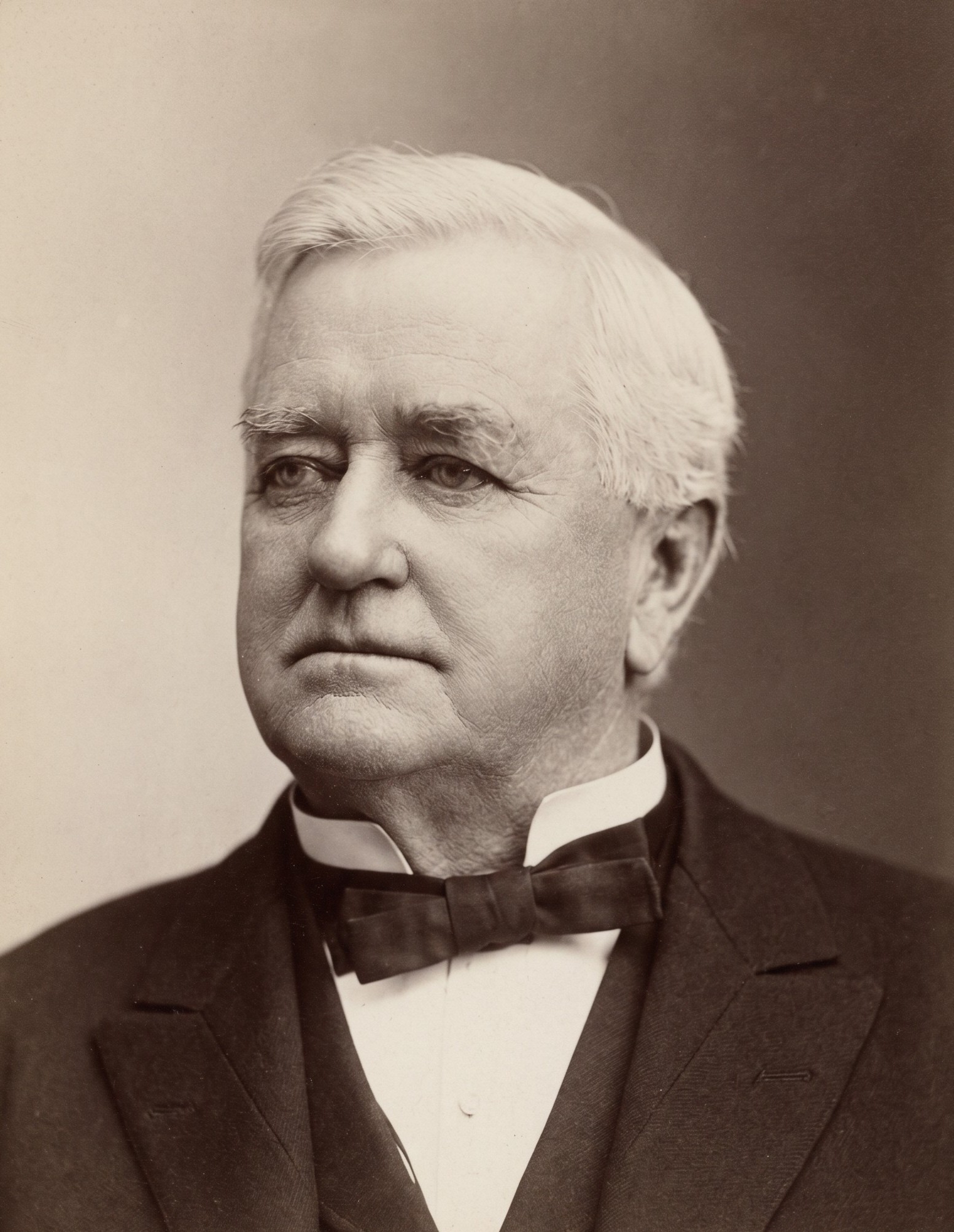
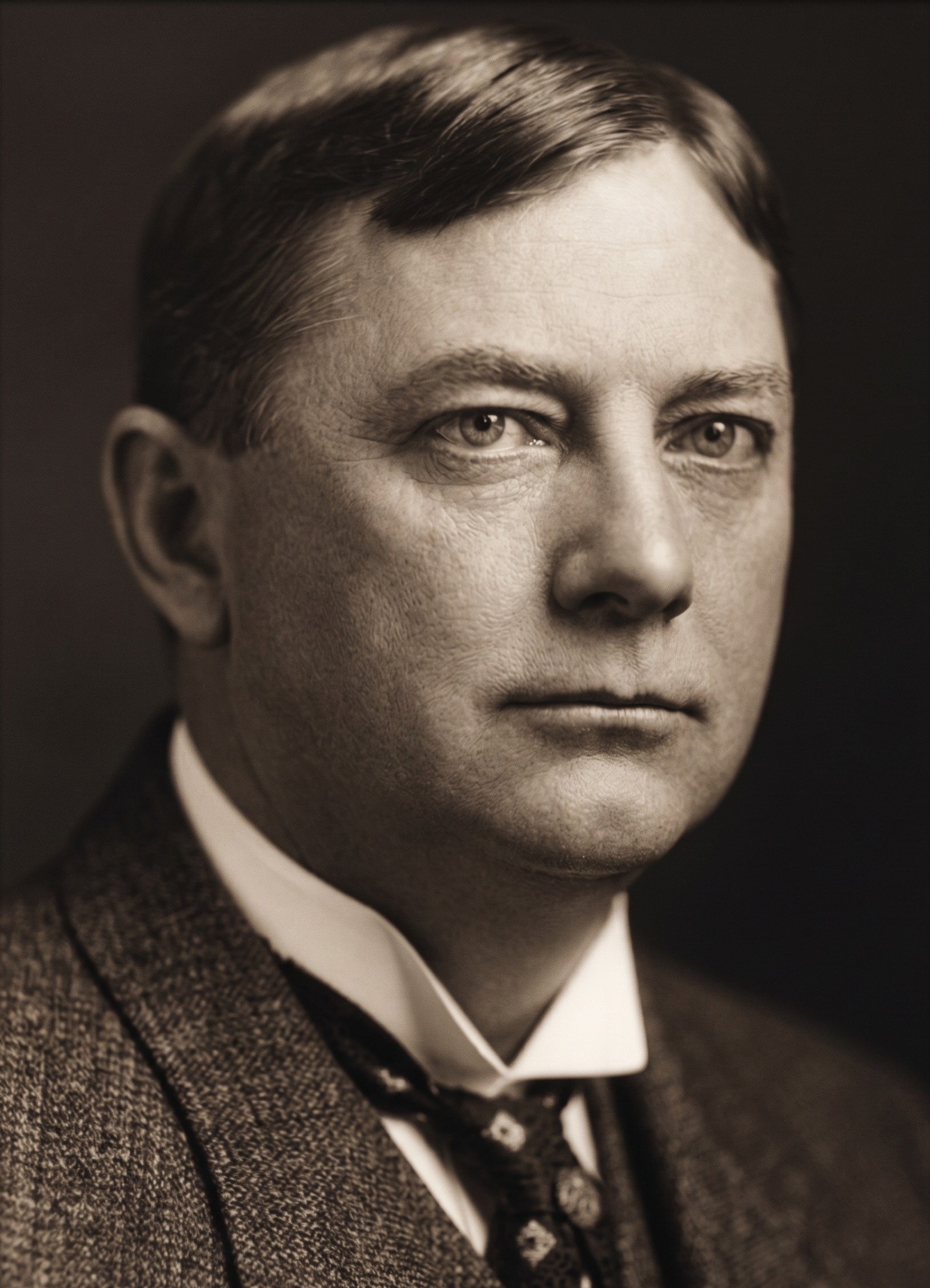
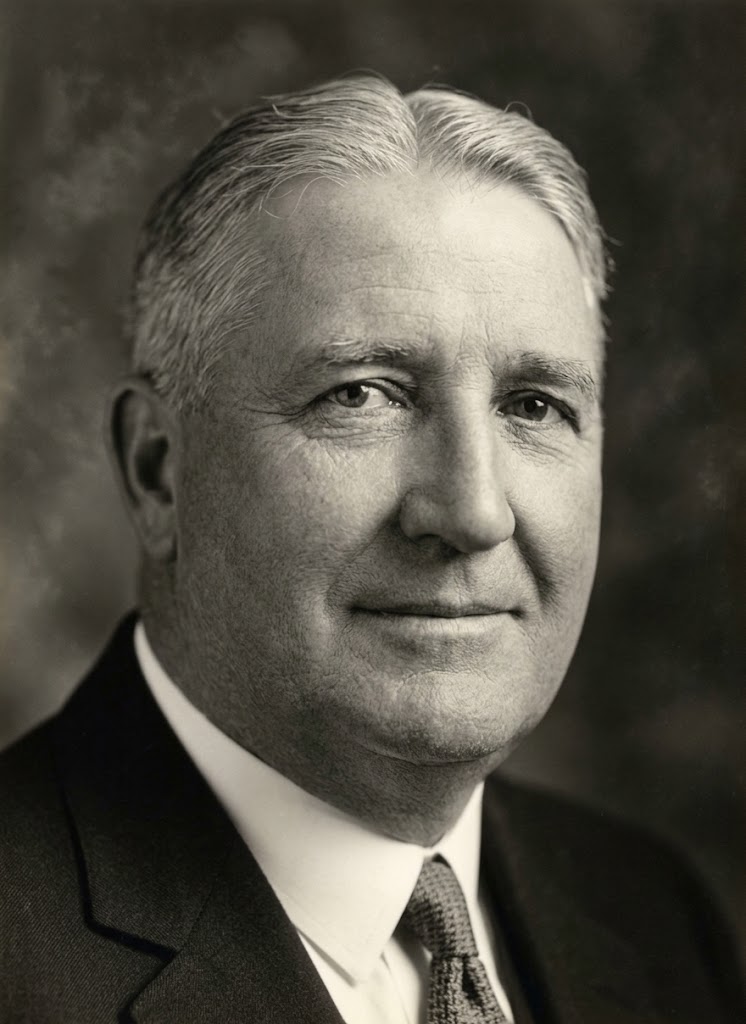
Gustavus Buffum
1880 - 1969
Frank W. Buffum
1859 - 1922
Charles G. Buffum, Sr.
1865 - 1934
Lumber, Good Roads & Modern Industry
Few families left a broader or more permanent mark on Louisiana than the one resting before you. Through lumber, banking, cutting-edge manufacturing, healthcare, and state leadership, the Buffums helped transform a 19th-century river landing into a modern regional powerhouse.
The saga began with Gustavus Adolphus Buffum, who arrived to lead the LaCrosse Lumber Company. In 1888, Gustavus and his sons purchased the firm, expanding its headquarters in Louisiana into a lumber empire that supplied heart-pine and building materials across the American Midwest.
Lumber, however, was only the beginning. Gustavus’s sons were brilliant visionaries:
His son Frank W. Buffum was a relentless inventor holding multiple U.S. patents. In 1901, Frank established the Buffum Telephone Company, bringing Pike County its very first local exchange. He then launched the famous Buffum Tool Company at 4th and Tennessee streets. Buffum proudly forged his tools stamped with 'Louisiana, MO' and stamped with his early trademark—a right-facing good-luck swastika, an ancient symbol of fortune long before the 1930s. His forged-steel tools gained nationwide renown, and during World War I, his factory answered the call of duty, producing bayonets and vital aircraft components for American troops.
Frank’s vision extended far beyond factory walls. In 1913, he was appointed the very first State Highway Commissioner of Missouri. He passionately campaigned to pull Missouri out of the mud and build paved networks, earning him the enduring title: 'The Father of Good Roads.'
Meanwhile, his brother Charles G. Buffum served as the town’s premier civic and financial leader. President of both Mercantile Bank and the Bank of Louisiana, Charles was instrumental in securing the construction of the original Champ Clark Bridge, permanently linking Missouri and Illinois across the Mississippi.
When Susannah Barr left her visionary bequest for a hospital, Charles stepped forward to make that dream reality. He joined forces with tobacco magnate Otis Smith to fund and build the Smith-Barr Memorial Hospital in 1928, serving as the first president of its board.
The Buffums also harnessed the river itself, creating the Nord-Buffum Pearl Button Company, which harvested freshwater mussel shells from the Mississippi riverbed to produce gleaming pearl buttons shipped across the country.
When you leave Riverview today, take a drive down the grand corridor of Georgia Street to see the stunning legacy of Buffum architecture:
- 815 Georgia Street, the elegant residence of family patriarch Gustavus.
- And side-by-side at the crest of the avenue, 2001 Georgia Street (home of Charles) and 2005 Georgia Street (home of Frank)—monuments to a family that literally paved the way into the modern era."